
Why 24/7 Phone Coverage Matters More Than You Think
Every missed call is a missed opportunity. Research consistently shows that roughly 35% of inbound business calls arrive outside standard 9-to-5 hours. That includes evenings, weekends, holidays, and early mornings when your team is nowhere near a desk.
The challenge goes deeper than volume. Consumer expectations have shifted dramatically. People expect immediate responses when they reach out to a business. If your phone rings five times and hits voicemail on a Tuesday night, the caller is not leaving a message. They are calling the next business on the list.
For service-based businesses like law firms, medical practices, home services companies, and real estate agencies, these after-hours calls often carry the highest intent. Someone searching for an emergency plumber at 10 PM is ready to book. A potential client calling a law firm on Saturday has an urgent legal matter. These are not tire-kickers. They are your most motivated prospects.
So how do you provide reliable 24/7 phone coverage without burning through your budget? There are four realistic options, each with genuine trade-offs worth understanding.
Option 1: Hire Night and Weekend Staff

The most straightforward approach is to hire dedicated employees who work outside regular business hours. You get a real person who knows your business, can handle complex conversations, and represents your brand exactly the way you want.
What it costs
Expect to pay $3,000 to $4,000 per month for a single part-time or shift-based employee once you factor in wages, payroll taxes, and benefits. True 24/7 coverage requires multiple hires to cover nights, weekends, and holidays, which can push monthly costs above $8,000.
Where it works well
This makes the most sense for businesses with high call volumes (50+ calls per day) and calls that require deep product knowledge, negotiation, or complex problem solving. If your average customer lifetime value is in the thousands, the investment can pay for itself quickly.
Where it falls short
Hiring is slow. Finding reliable night-shift workers is even slower. You also face sick days, turnover, and the overhead of managing additional employees. For smaller businesses doing 5 to 20 calls a day, the math rarely works out.
Option 2: Traditional Answering Service
Human-powered answering services have been around for decades. You forward your phones to a call center after hours, and their operators answer using your business name. Most services charge between $200 and $800 per month depending on call volume, with per-minute overage fees.
What it costs
Base plans typically cover 50 to 100 minutes of talk time. Light usage might stay around $200 per month, but moderate call traffic often pushes costs to the $500 to $800 range once overages kick in.
Where it works well
Answering services are a solid middle ground for businesses that need a human touch but cannot justify a full hire. They work well for basic call screening, message taking, and simple appointment scheduling.
Where it falls short
Quality is the biggest concern. Operators handle calls for dozens of businesses simultaneously. Hold times creep up during peak periods. The person answering your phone may know very little about your services, pricing, or policies. Callers can tell the difference between someone who works at your business and someone reading from a script, and that gap erodes trust.
Option 3: Voicemail With Callback
This is the default for most small businesses. After hours, calls go to voicemail. You check messages the next morning and call people back.
What it costs
Essentially nothing beyond your existing phone plan. It is the cheapest option by a wide margin.
Where it works well
Voicemail is acceptable when your callers have low urgency and no alternatives. If you are the only specialist in your area or your clients are already committed to working with you, they will leave a message and wait.
Where it falls short
The data here is hard to ignore. Studies indicate that approximately 62% of callers who reach voicemail hang up without leaving a message. Among younger demographics, the number is even higher. If your business depends on new customer acquisition through inbound calls, voicemail is quietly costing you thousands in lost revenue every month.
Option 4: AI Receptionist
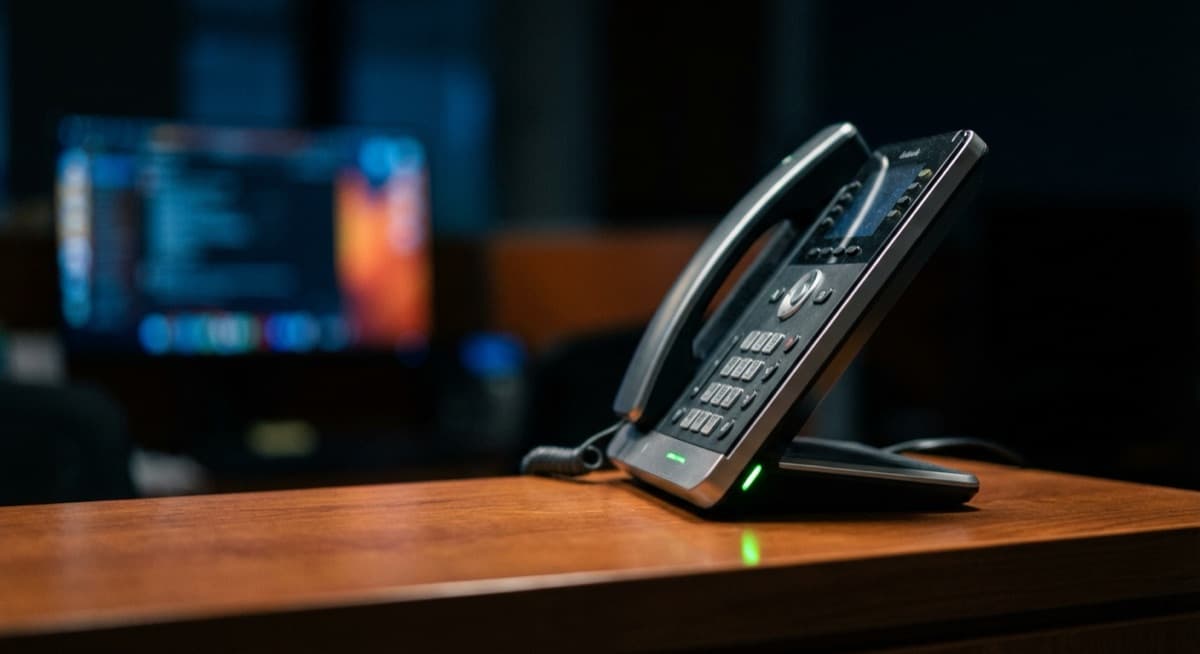
AI-powered phone agents represent a newer category that has matured rapidly. These systems answer calls in a natural, conversational voice. They can greet callers, answer frequently asked questions, book appointments, capture lead information, and route urgent calls to on-call staff, all without human intervention.
What it costs
Most AI receptionist services operate on flat monthly pricing. Callis, for example, charges $399 per month with no per-minute fees and no overage charges. That flat rate covers unlimited 24/7 business phone coverage.
Where it works well
AI receptionists are particularly effective for businesses that receive a predictable mix of routine calls: appointment requests, pricing inquiries, service area questions, and basic intake. They handle these interactions consistently every single time, whether the call comes in at 2 PM or 2 AM. Modern AI receptionists also integrate with calendars and CRMs, so appointments get booked directly into your schedule.
Where it falls short
AI is not the right fit for every call type. Highly emotional conversations, complex negotiations, or calls requiring deep situational judgment still benefit from a human. The best AI systems handle this by identifying these calls and routing them to the appropriate person on your team.
How to Choose the Right Approach
The best option depends on two factors: your monthly call volume and your budget.
Low call volume (under 10 calls per day)
If you are receiving a handful of calls per day but still losing business after hours, an AI receptionist offers the best return on investment. You get consistent after hours call answering at a predictable cost. At $399 per month, you only need to capture one or two additional customers to cover the expense entirely.
Moderate call volume (10 to 50 calls per day)
Consider pairing an AI receptionist with a part-time human for complex escalations. The AI handles routine calls around the clock, and your staff focuses on the conversations that genuinely need a human. This hybrid approach gives you full coverage without overspending.
High call volume (50+ calls per day)
Larger operations may benefit from dedicated staff during peak hours, an AI receptionist for after-hours and overflow, and a traditional answering service as a secondary fallback. The key is ensuring no call goes unanswered regardless of when it comes in.
Questions to ask before deciding
- What happens on your busiest day? If calls go unanswered during peak hours, you need more than just after-hours coverage.
- What do most callers actually need? If 80% of your calls are appointment requests or basic questions, automation handles that efficiently.
- What is a missed call worth? Calculate the average revenue per new customer, then estimate how many after-hours calls you miss monthly. That number usually makes the decision obvious.
- How fast do you need to be live? Hiring takes weeks. Answering services take days. An AI receptionist can typically be configured and answering calls within 24 hours.
The Bottom Line
There is no single correct answer for every business. But the worst option is doing nothing and letting calls go to voicemail by default. Every unanswered call is a potential customer choosing your competitor instead.
Start by auditing your current call data. Check your phone system for after-hours call volume and missed call rates. Once you have real numbers, the right solution usually becomes clear. For most small and mid-sized businesses, an AI receptionist provides the best balance of coverage, consistency, and cost, but the only way to know for sure is to look at your own data and test what works.